A fraudulent credit account can put an unexpected claim on your retirement budget: hours spent disputing bills, calls from collectors and paperwork when you would rather be doing almost anything else. Protecting yourself does not have to begin with another monthly subscription. A credit freeze is free, and it can put a substantial obstacle between a thief with your personal information and a new account in your name.
For retirees who rarely apply for credit, that trade-off can be particularly practical. Keep the protection in place most of the time, then temporarily lift it when a legitimate application requires access. But understand the boundary: freezing your credit is not the same as freezing your bank account, protecting your Medicare number or stopping someone from stealing an existing account’s password.
What a credit freeze actually protects
A credit freeze, also called a security freeze, restricts access to your credit report. That makes it harder for someone to open new credit in your name because a prospective lender generally needs to review your credit history before approving an application.
The Federal Trade Commission’s IdentityTheft.gov recovery guidance says freezes are available to anyone, are free to place and remove, and last until you lift or remove them. You do not need to wait for identity theft, receive a breach notice or buy an identity-protection package.
A freeze is not a blanket ban on financial activity. It does not erase debts or stop your obligation to pay existing bills. Nor does it shut down the cards and accounts you already use. Think of it as a barrier around new-credit applications, not a security system covering every dollar you own.
A freeze and a fraud alert are different tools
A fraud alert does not restrict report access in the same way. Instead, it tells businesses to verify your identity before issuing new credit in your name. That distinction matters if you are deciding how much friction to place around future borrowing.
According to the FTC, an initial fraud alert is free, lasts one year and can be renewed. Contact just one of the three nationwide credit bureaus to request it; that bureau must notify the other two. A freeze works differently: you must contact each bureau separately.
An extended fraud alert is for people whose identities have been stolen. It lasts seven years and is also free. The FTC instructs victims to request it from one bureau, complete the necessary forms and provide a copy of their FTC Identity Theft Report. That bureau must inform the others.
- Credit freeze: restricts access; available to anyone; contact all three bureaus; remains until lifted or removed.
- Initial fraud alert: requires identity verification for new credit; lasts one year; contact one bureau.
- Extended fraud alert: provides longer protection for identity-theft victims; lasts seven years; requires supporting documentation.
You can also place an initial fraud alert while your credit is frozen. The FTC’s guidance for lost, stolen or breached information discusses both measures. Neither requires purchasing monitoring.
Set up the freeze with all three bureaus
Start from the FTC’s credit bureau contact directory, rather than an advertisement or an unsolicited message. It links directly to the bureaus’ assistance pages. The directory lists these routes:
- Equifax: credit report services, or 800-685-1111.
- Experian: Experian Help, or 888-397-3742.
- TransUnion: credit help, or 888-909-8872.
Request a security freeze explicitly and follow each bureau’s identity-verification instructions. Expect to provide personal information through the verified channel. That is different from giving your Social Security number to someone who calls unexpectedly and claims to be helping.
Complete all three requests. Freezing one report does not automatically freeze the others, and different lenders may use different bureaus. Keep each confirmation and any account-recovery instructions in a secure place. If you create online accounts, give each one a different, strong password.
Commercial offers may appear along the way. A paid monitoring service or a product marketed as a credit lock is not the free security-freeze request itself. Look for the freeze option, and do not assume you must provide a payment card or enroll in a subscription to receive it.
Plan for legitimate applications before you need them
Retirement does not necessarily end borrowing. You might want to replace a car, refinance a home or apply for a new card. A freeze can complicate an application if the business cannot access the report it needs.
Before applying, ask the lender which bureau or bureaus it expects to check. Then use the verified bureau channels to arrange the necessary temporary lift. The FTC says temporarily lifting a freeze to apply for credit is free. Allow yourself time to resolve any login or identity-verification problems instead of waiting until an application deadline.
Where the bureau offers a date-limited lift, choose a window that fits the application and confirm when protection resumes. If you remove a freeze instead, make a separate plan to restore it afterward. Keep a short record of which reports you opened and why.
For couples, treat this as two individual tasks. One spouse’s freeze does not protect the other’s credit file. Each person should understand how to manage their own protection, even if one partner normally handles the household finances.
Read the reports, not just the credit score
A freeze helps prevent new fraud; reviewing reports helps uncover problems that already exist. A credit score alone cannot tell you whether an unfamiliar loan, address or collection account has appeared in your file.
The FTC directs consumers to AnnualCreditReport.com for free reports from Equifax, Experian and TransUnion. Its guidance says you can check your reports online every week for free. You can also request reports by calling 877-322-8228.
Review each bureau’s report, not just whichever one is easiest to obtain. Look for accounts you did not open, debts you do not recognize and personal details that do not belong to you. Save relevant pages and contact the company listed to clarify unfamiliar information. An unfamiliar name may require investigation; it is not, by itself, proof of theft.
Choose a review routine you can maintain. Check more closely after a breach notice or suspected misuse. Monitoring alerts can be useful, but they are signals to investigate, not a substitute for reading the underlying report.
Protect the retirement money outside the freeze
A thief who gets into an existing checking or investment account does not need to open a new credit line to cause damage. Neither does someone using stolen medical insurance information. These risks require separate defenses.
Use long, unique passwords for financial accounts and email, and enable two-factor authentication where available. Protecting email deserves particular attention because it may receive password-reset messages for other accounts. The FTC recommends changing reused passwords elsewhere if a compromised login was shared across services.
Review bank, card and investment transactions regularly. Consider account alerts for withdrawals, transfers and contact-information changes where offered. If something looks wrong, call a number from a statement or use the institution’s known website, not the contact details in a suspicious message.
If bank or investment account information is exposed, the FTC advises contacting the institution, closing the affected account and opening a new one. Coordinate any replacement with the institution, and update automatic payments. For retirees, it is also sensible to check which income deposits need new instructions.
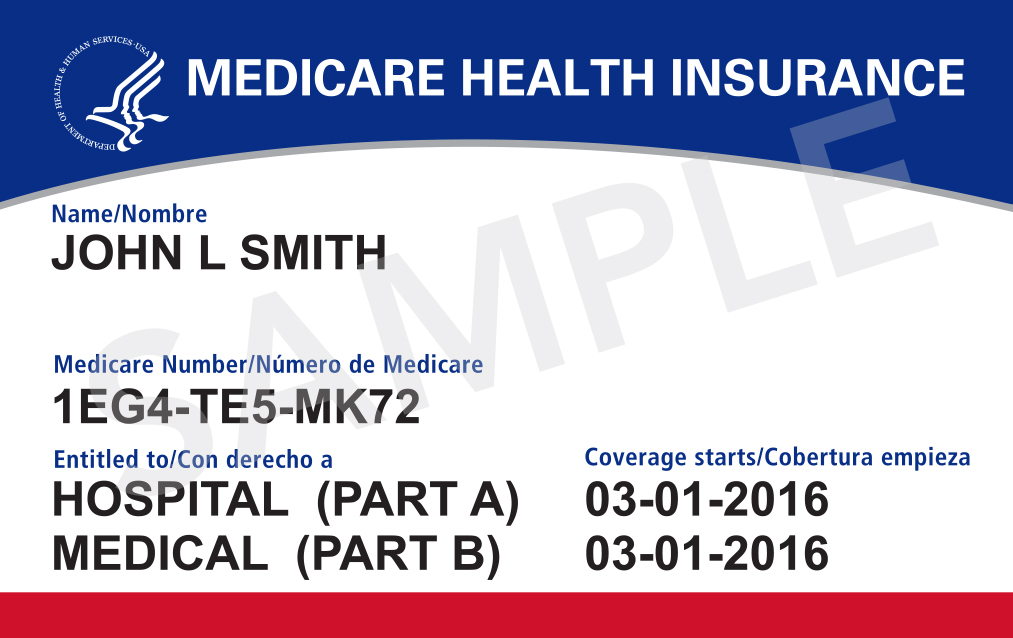
Medical identity theft needs its own response. If Medicare information is lost or stolen, IdentityTheft.gov directs consumers to call 800-MEDICARE, or 800-633-4227, to report the problem and order a replacement card if needed. A credit freeze cannot replace that call.
If identity theft has already happened
Do not wait for a freeze to resolve existing damage. The FTC’s recovery checklist starts with contacting the companies where fraud occurred. Ask their fraud departments to close or freeze affected accounts, and change compromised logins, passwords and PINs.
Place a fraud alert, obtain your credit reports and report the theft at IdentityTheft.gov. You can also call the FTC at 877-438-4338. The website uses the information you provide to generate an Identity Theft Report and a personal recovery plan.
If you create an account, the site can track your progress and help prepare forms and letters. If you do not create one, the FTC says to print and save your report and recovery plan immediately; you will not be able to retrieve or update them after leaving the page.
Follow through with disputes about fraudulent accounts and incorrect credit-report information. Keep copies of letters, confirmation numbers and a dated call log. Freezing a report helps guard against further misuse, but it does not automatically remove a fraudulent debt.
Reject the expensive shortcut a scammer offers
The FTC warns on IdentityTheft.gov that impersonators may claim your personal information was used to open accounts or commit fraud. They may then demand that you move money to protect it. The agency says it will never threaten you, tell you to transfer money for protection, or direct you to hand over cash or gold.
That warning belongs alongside your freeze confirmations. If an alarming caller demands immediate action, end the conversation and verify the claim independently. Do not let a supposed identity-theft investigation become the reason you surrender your retirement savings.
The practical goal is modest: freeze all three credit files, know how to lift them, review your reports and keep watching existing accounts. These steps cannot make identity theft impossible. They can make your information harder to misuse without adding another recurring charge to your retirement budget.
Federal Trade Commission building in Washington, D.C., with the Man Controlling Trade sculpture. Photo: Kurt Kaiser / Wikimedia Commons. Public domain.